Compute
Services include EC2, Azure VMs, GCP Compute


PointFive's DeepWaste Detection Engine finds cloud waste that no other tool can, from quick wins to deep architectural inefficiencies, across AWS, Azure, GCP, OCI, Snowflake, Databricks, Kubernetes, and AI platforms. Evaluate opportunities in the context of your workloads and verify the outcome after remediation.
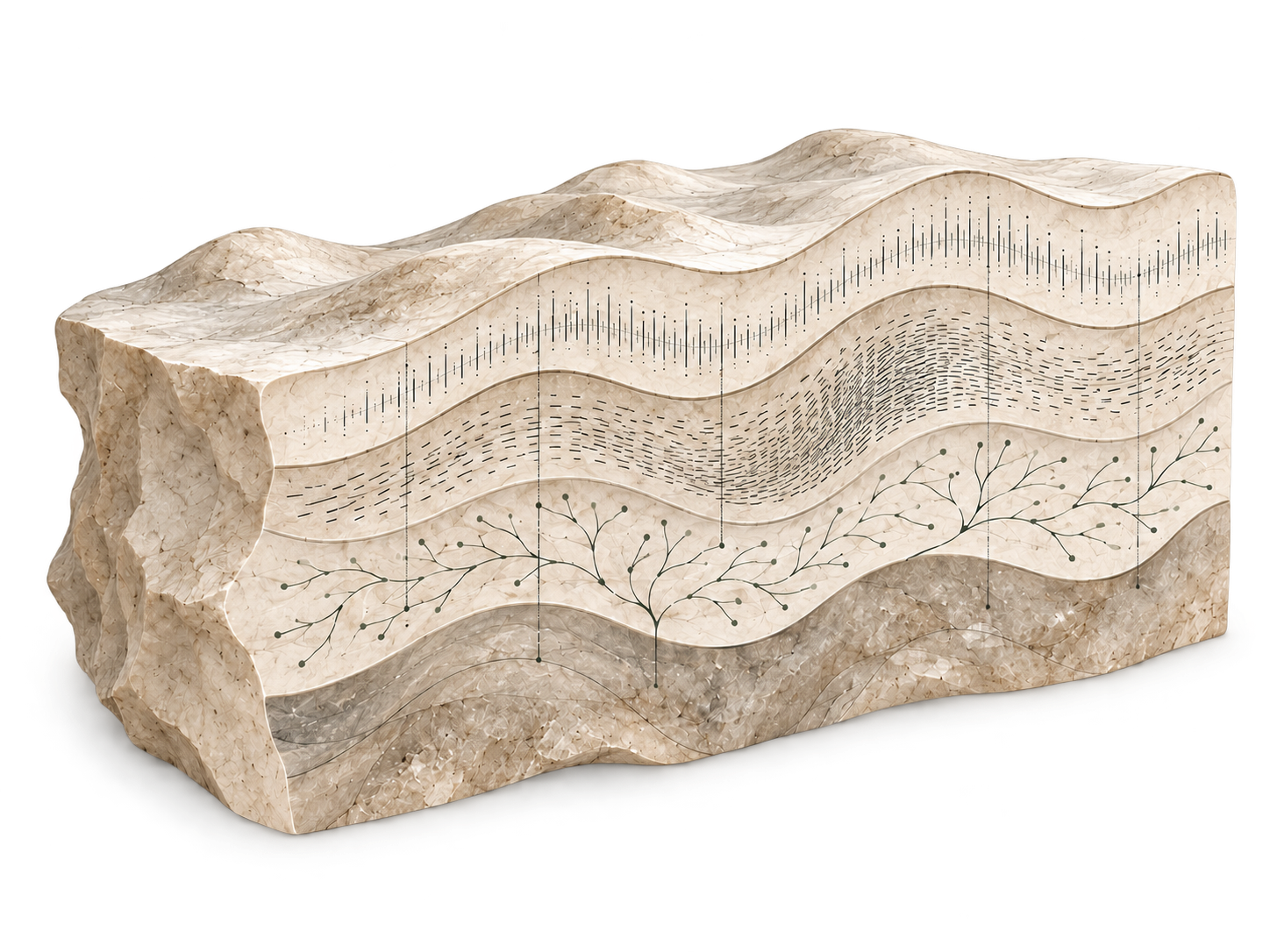
Explore five layers of waste, from common resource issues to architectural inefficiencies. Use detection findings and available context to investigate opportunities, review remediation, and measure savings after changes.
Orphaned, inactive, and abandoned resources still incurring charges. Investigate usage and dependencies before deciding which resources to change, then measure the effect of the implemented remediation.
Misaligned settings versus real usage, storage tiers, disk types, capacity modes, instance sizes, and caching configurations. Validating these at scale demands correlation of performance metrics, usage patterns, and workload context to produce recommendations engineers actually trust and act on.
Waste created by how applications use cloud services: API call patterns, model selection, transfer routing. Invisible without deep application-level analysis and multi-source data correlation.
Data that has aged out of its original purpose but stays in expensive storage tiers. Retention policies that no longer reflect actual access patterns. Requires continuous monitoring of data access frequency and intelligent lifecycle recommendations.
Suboptimal infrastructure design causing structural cost overhead, routing decisions, region placement, cluster sizing. Requires VPC Flow Logs, snapshot side-scanning, and virtual cost allocation techniques unique to PointFive. The hardest to find, often the most impactful to fix.
Real savings come from continuous detection across all five layers, with validated context, root-cause analysis, and engineering-grade remediation at every depth. Surface findings fund the deeper work. Deeper layers prevent waste from recurring.
What sets PointFive apart isn't just finding waste, it's the validated context, multi-source correlation, and remediation tooling that turns findings into action across every layer. Deeper layers require VPC Flow Logs, snapshot side-scanning, and virtual cost allocation, techniques unique to PointFive.
DeepWaste analyzes dozens of cloud and AI services across all major providers, with new services added continuously.
Services include EC2, Azure VMs, GCP Compute
Services include EKS, AKS, GKE, ECS
Services include RDS, DynamoDB, Cosmos DB
Services include Bedrock, SageMaker, Azure OpenAI
Services include Snowflake, Databricks, BigQuery
Services include EBS, S3, Blob Storage
Services include Lambda, Functions, Cloud Run
Services include VPC, CloudFront, Load Balancers
Services include CloudWatch, Datadog, Logging
Services include MSK, Kinesis, Pub/Sub
Services include Secrets Mgr, App Config
A curated sample of what our DeepWaste engine detects, each backed by usage patterns, configuration analysis, and validated remediation playbooks. The real catalog runs much deeper.
Detects workloads routing massive data through NAT Gateways when free alternatives like Gateway Endpoints exist. Estimate the impact using applicable routing, endpoint, and data-transfer charges.
Identifies instances with low off-hours activity that can be automatically started and stopped on a schedule. Eliminates waste from resources running 24/7 when only needed during business hours.
Identifies low-usage provisioned OpenSearch domains for a serverless comparison. Evaluate capacity charges, supported features, workload patterns, and migration requirements before assuming a saving.
Investigates Azure managed-disk configuration and usage to identify potential tier changes. Validate latency, IOPS, throughput, and platform compatibility before a change.
Identifies GPU instances (P4d, P5, G5, Inf2) running ML training and inference workloads at low GPU utilization, recommending smaller instance types or spot-based alternatives without impacting throughput.
Detects Vertex AI custom training jobs using oversized machine types or running without preemptible/spot instances, common in ML experimentation workflows where cost discipline is often overlooked.
Showing 6 of 10 detections in this category. Want to see what's hiding in your infrastructure?
Turn detection findings into prioritized engineering work, then measure the effect of each implemented change against actual usage and billing.
Investigate findings, prepare fixes for review, and delegate approved remediation to Coworkers in PointFive OS. Measure savings after changes are implemented.
AI coding agents use available infrastructure context to generate proposed remediation for engineering review.
Connect directly to Jira, Slack, ServiceNow, and your existing ticketing systems. Findings flow into your team's natural workflow, no context switching required.
Terraform and CloudFormation fixes ready to merge. Every remediation maps to your IaC stack, so changes go through your existing review and deploy pipeline.
Root-cause analysis, impact assessment, and safe rollback paths, all included. AI generates the fix. Your engineers review, approve, and deploy with full confidence.
Traditional cost optimization ends with a spreadsheet. PointFive delivers validated findings with actionable remediation, so engineering teams ship savings instead of triaging alerts.
Not just visibility: DeepWaste analyzes usage patterns, access frequencies, and workload characteristics across dozens of services organized by infrastructure domain.
Agentless discovery uses read-only access. Infrastructure changes require customer-authorized write permissions and approval before execution.
PointFive Labs researches infrastructure inefficiencies and develops detections using configuration, usage, and cost evidence.
We don't just read your bill. We correlate billing data with CloudWatch metrics, VPC Flow Logs, CloudTrail activity, and direct API state, finding waste that single-source tools miss.
AI coding agents deliver contextual recommendations with human-curated remediation playbooks. Teams can investigate causes, assess estimated impact, and review remediation plans before approving execution.
PointFive's DeepWaste™ detection engine identifies over 500 types of cloud and AI waste across compute, storage, databases, networking, serverless, AI/ML, data & analytics, observability, streaming, security, and containers. Each detection is backed by usage patterns, configuration analysis, and validated remediation playbooks, not just billing thresholds.
Opportunities are prioritized, actionable savings recommendations surfaced by the DeepWaste engine. Each opportunity includes the resource affected, estimated savings, risk level, remediation steps, and can be assigned to a team member or pushed to Jira/ServiceNow. Opportunities are continuously updated as your environment changes.
PointFive's anomaly detection uses machine learning to establish baseline spending patterns and alerts you when costs deviate significantly. Each anomaly includes the affected service, cost impact, and detailed analysis showing actual vs. expected spending, so you can investigate and resolve cost spikes before they compound.